
What is an MCL Tear?
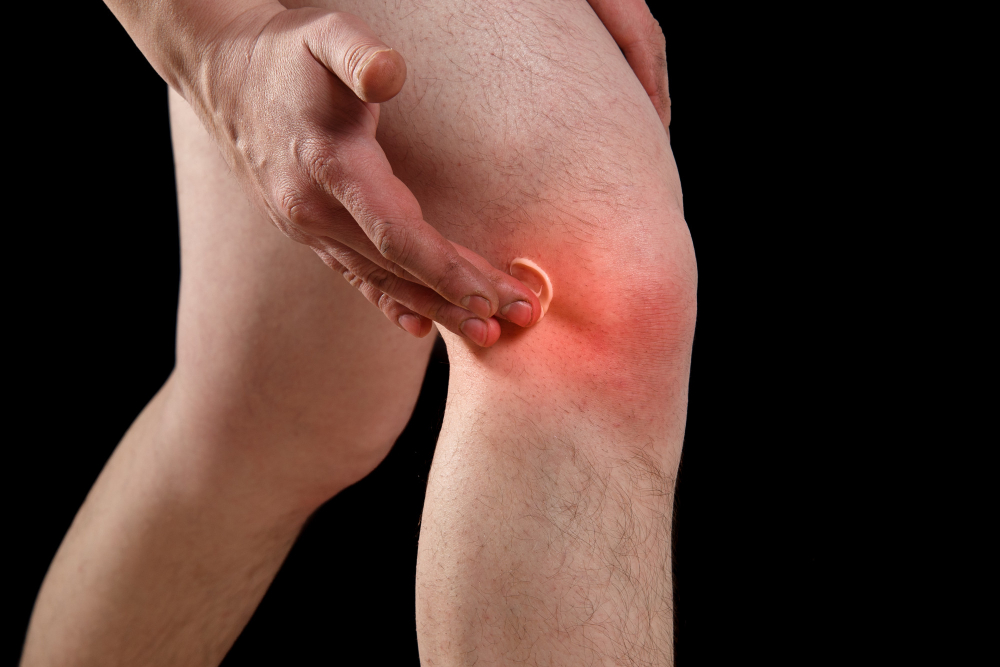
An MCL tear is a common knee ligament injury. The MCL, or medial collateral ligament, is a strong band of tissue. It runs along the inner side of your knee. This ligament helps keep your knee stable. When the MCL stretches or tears, it can cause pain and swelling. Many people with an MCL tear want to know how to manage and recover quickly. Understanding the basics can help you take the right steps.
Common Symptoms of an MCL Tear
After an MCL injury, you may notice several signs. For example, you might feel pain on the inside of your knee. Swelling often appears soon after the injury. In some cases, your knee may feel unstable or weak. You may also have trouble bending or straightening your leg. Sometimes, you may hear a popping sound at the time of injury. If you notice these symptoms, it is important to seek medical advice.
Causes and Risk Factors
MCL tears often happen during sports or sudden movements. For instance, a direct blow to the outside of the knee can stretch the MCL too far. Quick changes in direction or twisting motions may also cause injury. Athletes in football, soccer, and skiing are at higher risk. However, anyone can injure their MCL during a fall or accident. Weak muscles and poor balance can increase your risk as well.
How MCL Tears Are Diagnosed
Doctors use several methods to diagnose an MCL tear. First, they will ask about your symptoms and how the injury happened. Next, they will examine your knee for swelling, tenderness, and movement. Sometimes, doctors use imaging tests like X-rays or MRI scans. These tests help rule out other injuries and show how severe the tear is. Early diagnosis is key for proper treatment and recovery.
Treatment Options for MCL Tears
Treatment depends on how serious the tear is. Most mild to moderate MCL injuries heal without surgery. Here are common treatment steps:
For more severe tears, your doctor may suggest a knee brace or crutches. In rare cases, surgery may be needed. Physical therapy is often recommended to restore strength and movement. Always follow your doctor’s advice for the best results.
Tips for Recovery and Returning to Activity
Recovering from an MCL tear takes time and care. However, there are ways to speed up healing and avoid setbacks. For example:
With proper care, most people recover fully from an MCL injury. Still, it is important to be patient and avoid high-risk activities until your knee is strong again.
Prevention Strategies
While not all MCL tears can be prevented, you can lower your risk. For instance, you can:
By taking these steps, you can help protect your knees and stay active.
Conclusion
In summary, an MCL tear is a common knee ligament injury that can cause pain and swelling. However, with the right care, most people recover well. If you think you have an MCL tear, consult an orthopedic specialist Dr. Vamshi Kiran for personalized advice on MCL tear management and recovery.