
Introduction
Your knee is a complex joint that helps you walk, run, and jump. Inside the knee, cartilage acts as a cushion. It protects the bones and lets them move smoothly. However, cartilage damage can cause pain and limit movement. For many people, microfracture surgery is a treatment that helps repair the knee’s cushion. In this blog, you will learn about cartilage damage, its symptoms, and how microfracture surgery can help.
What is Cartilage Damage in the Knee?
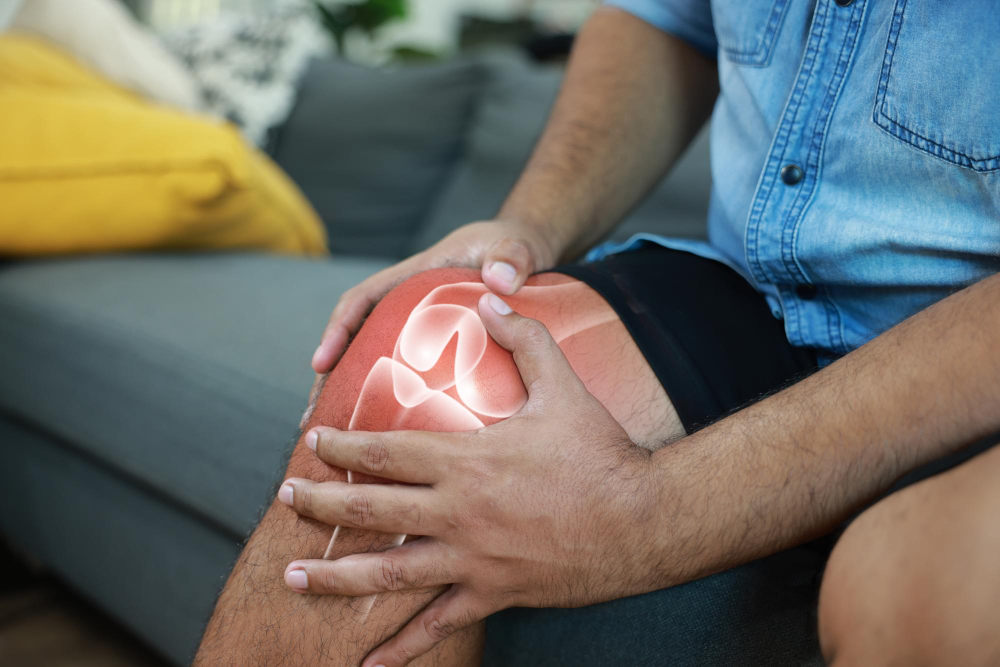
Cartilage is a smooth, rubbery tissue. It covers the ends of bones in your knee. When this tissue gets damaged, the bones may rub together. This can cause pain and swelling. Over time, the knee may become stiff or weak. Cartilage damage is common in athletes, older adults, and people with injuries.
Common Symptoms and Causes
Many people with cartilage injury notice certain signs. For example, you may feel:
There are several causes of cartilage damage. Often, it happens after a fall or sports injury. Sometimes, wear and tear from aging leads to damage. In other cases, being overweight puts extra stress on the knee. Rarely, certain diseases can also harm the cartilage.
How is Cartilage Damage Diagnosed?
Doctors use several steps to find out if you have knee cartilage damage. First, they ask about your symptoms and check your knee. Next, they may order tests. For example, an MRI scan can show soft tissues like cartilage. Sometimes, an X-ray helps rule out bone problems. In some cases, doctors use a small camera called an arthroscope to look inside the knee. Early diagnosis helps you get the right treatment for knee cushion damage.
What is Microfracture Surgery?
Microfracture surgery is a common treatment for knee cartilage repair. During this procedure, the surgeon makes tiny holes in the bone under the damaged cartilage. These holes help new tissue grow and fill the gap. As a result, the knee’s cushion can become smoother. This surgery is usually done with small tools and a camera, so recovery is often faster than with open surgery. Microfracture knee surgery is best for small areas of damage.
Benefits and Risks of Microfracture Surgery
Like all treatments, microfracture surgery has both benefits and risks. Some key benefits include:
However, there are also risks. For instance, the new tissue may not be as strong as natural cartilage. Sometimes, pain or stiffness can return. Rarely, infection or blood clots may occur. It is important to talk with knee surgery specialists in your area to understand if this treatment is right for you.
Recovery and Rehabilitation Tips
After microfracture knee surgery, recovery takes time. Most people need to use crutches for a few weeks. Physical therapy is very important. It helps you regain strength and movement. Here are some tips for a smoother recovery:
With patience and care, many people return to daily activities within a few months. However, full recovery may take up to a year.
Prevention and Lifestyle Guidance
While not all cartilage injuries can be prevented, you can lower your risk. For example, you can:
Additionally, regular check-ups with your doctor can help catch problems early. If you notice knee pain or swelling, seek advice quickly. Early treatment for knee cushion damage can prevent further injury.
Conclusion
Cartilage damage in the knee can cause pain and limit your movement. Microfracture surgery offers a way to repair the knee’s cushion and restore function. However, recovery takes time and care. If you have knee pain or think you may need treatment for knee cartilage repair, consult Dr. Vamshi Kiran for personalized advice.