
Introduction
Ankle ligament reconstruction is a surgery that helps fix chronic ankle instability. Many people twist their ankles, but some keep having this problem. Over time, the ligaments, which are strong bands holding the ankle bones together, may become weak or torn. As a result, the ankle feels wobbly or gives way often. For those who do not get better with rest or therapy, ankle ligament reconstruction can restore strength and stability. This blog explains what chronic ankle instability is, why it happens, and how surgery can help.
What Is Chronic Ankle Instability?
Chronic ankle instability means your ankle keeps turning or giving way, especially during activities. Usually, this happens after repeated ankle sprains. Over time, the ligaments do not heal well. Because of this, the ankle feels weak or unstable. Many people with this problem avoid sports or even walking on uneven ground. In some cases, the ankle may swell or hurt often. Chronic ankle instability can affect daily life and limit movement.
Causes and Risk Factors
Several things can lead to chronic ankle instability. Most often, it starts with a bad ankle sprain. However, not everyone who sprains their ankle will develop this problem. Some risk factors include:
Additionally, wearing shoes without good support can increase the risk. For some people, genetics may play a role. If you have flat feet or high arches, you may also be at higher risk.
Symptoms and When to Seek Help
Chronic ankle instability has clear signs. For example, you may notice:
If these symptoms last for more than a few weeks, it is time to see a doctor. Early treatment can prevent further damage. Sometimes, ignoring the problem can lead to arthritis or more serious injuries.
Diagnosis: How Doctors Assess Ankle Instability
Doctors use several steps to check for chronic ankle instability. First, they will ask about your injury history and symptoms. Next, they will examine your ankle for swelling, tenderness, and movement. Often, doctors use special tests to see how loose the ligaments are. In some cases, they may order imaging tests, such as:
With these tools, doctors can decide if ankle ligament reconstruction is needed or if other treatments may help.
Ankle Ligament Reconstruction: The Procedure Explained
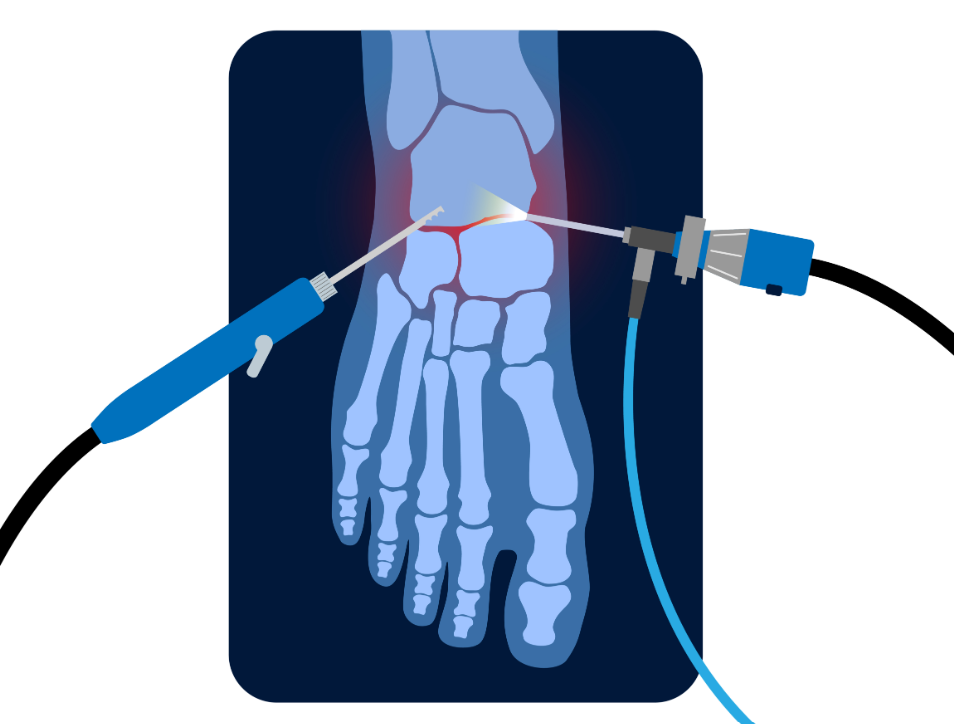
Ankle ligament reconstruction is a surgery to fix or replace damaged ligaments. Usually, doctors use one of two methods. In the first method, they tighten and repair your own ligaments. In the second, they use a tendon from your leg or a donor to replace the torn ligament. The surgery is often done with small cuts and a camera, called arthroscopy. Because of this, recovery is usually faster and less painful.
Here is what to expect during ankle ligament surgery:
Most people go home the same day. However, you will need to follow your doctor’s instructions for care and recovery.
Recovery and Rehabilitation
Recovery from ankle ligament reconstruction takes time. At first, you may need crutches to keep weight off your ankle. Usually, a cast or boot protects the ankle for a few weeks. Physical therapy starts soon after surgery. This helps restore strength, balance, and movement. Most people return to normal activities in three to six months. However, full recovery can take longer for athletes or those with severe injuries.
During recovery, it is important to:
With proper care, most people regain full ankle function. According to orthopedic studies, over 85% of patients have good results after surgery (source: PubMed).
Prevention and Lifestyle Tips
Even after surgery, you can take steps to protect your ankle. For example, you can:
Additionally, regular stretching can help keep your ankle flexible. If you feel pain or weakness, rest and seek advice early. These steps can lower your risk of future injuries.
Frequently Asked Questions
If you have ongoing ankle problems, do not wait. Consult an orthopedic specialist Dr. Vamshi Kiran for a full evaluation and personalized advice.