
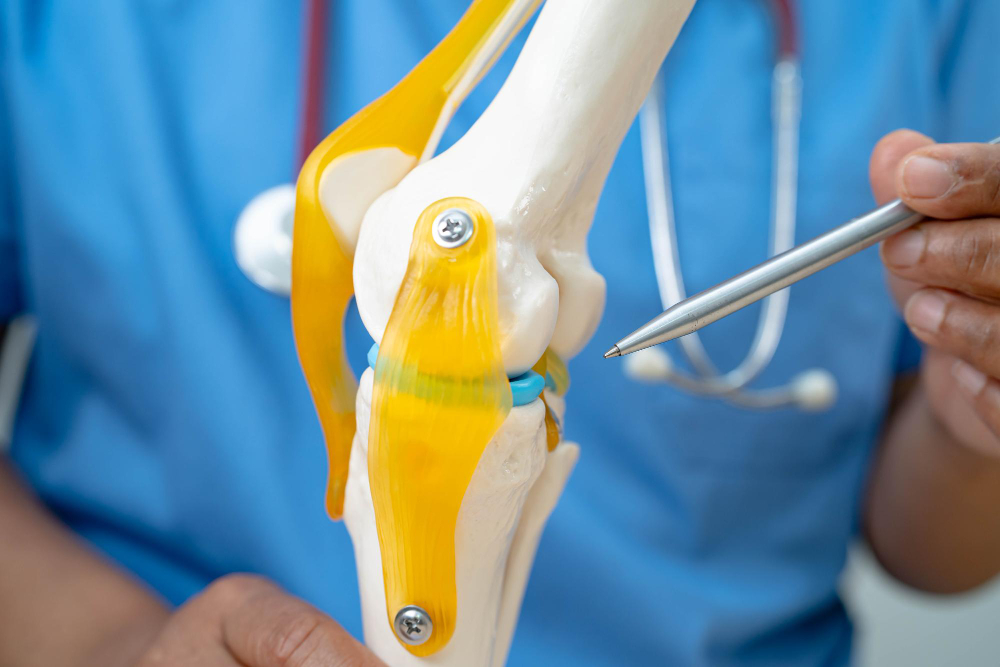
Introduction
Cartilage transplantation is a medical procedure that helps repair damaged cartilage in joints. This treatment is important because cartilage does not heal easily on its own. Many people with knee injuries or joint pain may benefit from cartilage transplantation. For example, athletes or those with joint injuries often seek this option. If you have ongoing joint pain, you might want to learn more about cartilage transplantation and how it can help.
What Is Cartilage Transplantation?
Cartilage transplantation is a surgery that replaces damaged cartilage with healthy tissue. Doctors may use your own cartilage or tissue from a donor. Often, this procedure is used for knee cartilage repair, but it can also help other joints. Because cartilage cushions your bones, healthy cartilage is important for pain-free movement. When cartilage is damaged, you may feel pain, swelling, or stiffness. Cartilage transplantation aims to restore smooth movement and reduce pain.
Common Symptoms and When to Consider Cartilage Transplantation
Many people with cartilage damage notice certain symptoms. You may want to consider cartilage transplantation if you have:
Sometimes, these symptoms get worse over time. If you have tried other treatments without relief, cartilage transplantation may be an option. However, it is best to talk to a doctor to see if this procedure is right for you.
Causes of Cartilage Damage
Cartilage damage can happen for many reasons. For instance, sports injuries are a common cause. In addition, accidents or falls can harm cartilage. Over time, normal wear and tear may also lead to damage. Some people have cartilage problems due to conditions like osteoarthritis. Because cartilage does not have its own blood supply, it cannot heal as quickly as other tissues. Therefore, damage often lasts unless treated.
How Cartilage Transplantation Is Diagnosed
Doctors use several steps to decide if you need cartilage transplantation. First, they will ask about your symptoms and medical history. Next, they may check your joint with a physical exam. Often, imaging tests like X-rays or MRI scans help show the extent of cartilage damage. In some cases, doctors use a small camera, called an arthroscope, to look inside the joint. Based on these findings, your doctor can suggest the best treatment for you.
Treatment Options and the Cartilage Transplantation Procedure
There are several ways to treat damaged cartilage. Sometimes, simple treatments like rest, physical therapy, or medication can help. However, if these do not work, doctors may suggest joint cartilage surgery or a cartilage regeneration procedure. Cartilage transplantation is one such option. During the procedure, the surgeon removes damaged cartilage and replaces it with healthy tissue. This can come from another part of your body or from a donor. The surgery is often done using small cuts and special tools, which helps speed up recovery.
Recovery and Aftercare Tips
After cartilage transplantation, recovery is important. You may need to use crutches or a brace to protect your joint. Physical therapy helps you regain strength and movement. In addition, your doctor will give you tips to care for your joint at home. For example, you should avoid heavy lifting or high-impact sports until you heal. Most people can return to normal activities within a few months, but full recovery may take longer. Always follow your doctor’s advice for the best results.
Prevention and Lifestyle Guidance
While not all cartilage damage can be prevented, you can lower your risk. For instance, keep a healthy weight to reduce stress on your joints. Also, warm up before exercise and use proper gear during sports. If you feel joint pain, rest and seek help early. Eating a balanced diet and staying active can also support joint health. Because prevention is easier than treatment, these steps can help protect your cartilage.
Risks and Potential Complications
Like any surgery, cartilage transplantation has some risks. Possible complications include:
However, most people recover well with proper care. Your doctor will discuss these risks with you before surgery. If you notice unusual pain, redness, or fever after surgery, contact your doctor right away.
Frequently Asked Questions (FAQ)
Conclusion
Cartilage transplantation can help restore joint function and reduce pain. If you have ongoing joint problems, consult an orthopedic specialist Dr. Vamshi Kiran for personalized advice on cartilage transplantation.