
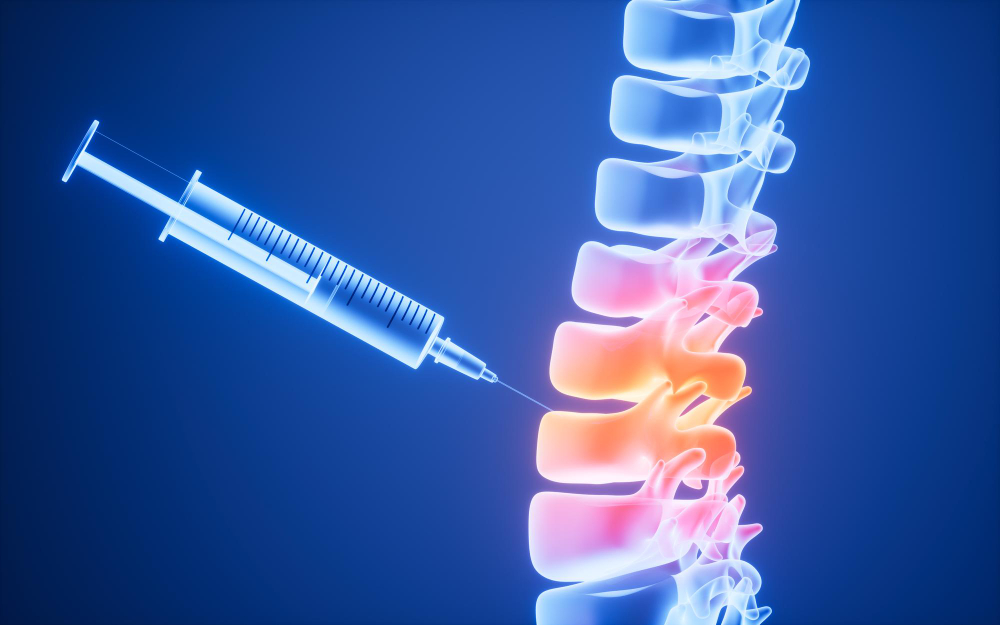
What Are Spinal Injections?
Spinal injections for lasting relief are a common treatment for back pain. These injections deliver medicine directly to the area around your spine. As a result, they can help reduce pain and swelling. Doctors often use them as part of orthopedic pain management plans. For many people, spinal injections offer a safe and effective way to manage pain without surgery.
Common Symptoms and Conditions Treated with Spinal Injections
Many people suffer from back pain at some point. However, not all back pain needs injections. Spinal injections are often used when other treatments do not work. They can help with:
In many cases, these injections are part of a larger back pain treatment plan. They may be used with physical therapy or other medicines.
How Spinal Injections Provide Lasting Relief
Spinal injections for lasting relief work by reducing swelling and blocking pain signals. Because the medicine goes right to the source of pain, it can act quickly. For some people, relief lasts for weeks or even months. Others may need more than one injection for the best results. Still, these injections can help you move better and enjoy daily life again.
Types of Spinal Injections
Doctors use different types of spinal injections based on your symptoms. Some common types include:
Each type has its own benefits. Your doctor will choose the best option for your needs.
The Procedure: What to Expect Before, During, and After
Before the procedure, your doctor will review your health history. They may ask you to stop certain medicines. On the day of the injection, you will lie on a table. The doctor cleans the skin and may use a local numbing medicine. Then, using a thin needle, the doctor injects the medicine into your spine. X-ray guidance helps place the needle safely.
After the injection, you may rest for a short time. Most people can go home the same day. Some feel relief within a few days, while others may take longer. It is important to follow your doctor’s instructions for the best results.
Benefits and Potential Risks
Spinal injections for lasting relief offer many benefits. For example, they can:
However, like any procedure, there are some risks. These may include:
Although serious problems are uncommon, you should talk to your doctor about any concerns.
Recovery and Aftercare Tips
After your injection, you may feel some numbness or mild soreness. This is normal and should go away soon. To help your recovery:
Most people return to normal activities within a day or two. However, always check with your doctor before resuming heavy work or exercise.
Prevention and Lifestyle Guidance for Spinal Health
While spinal injections for lasting relief can help, it is also important to care for your spine every day. You can lower your risk of future pain by:
In addition, eating a balanced diet and managing stress can support your overall health. Small changes can make a big difference over time.
Conclusion
Spinal injections for lasting relief are a proven option for many people with back pain. They can help reduce pain, improve movement, and support your daily life. However, it is important to talk with an orthopedic specialist about your options. Consult an orthopedic specialist Dr. Vamshi Kiran at Sunshine hospital to discuss if spinal injections are right for you.