
What is Arthroscopy?
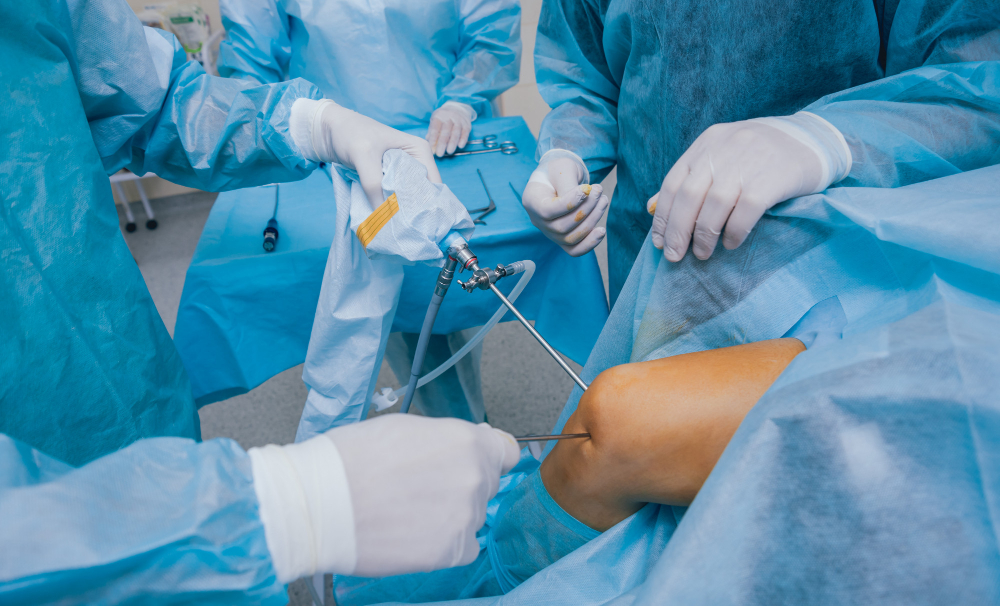
Arthroscopy is a type of minimally invasive surgery used to treat joint problems. During this procedure, doctors use a tiny camera called an arthroscope. Because the camera is so small, only small cuts are needed. This makes arthroscopy less painful than open surgery. Many people choose arthroscopic surgery for joint pain treatment because it helps them recover faster. In fact, minimally invasive orthopedic procedures like arthroscopy are now common for knee, shoulder, and other joint issues.
Common Joint Problems Treated with Arthroscopy
Doctors use arthroscopy to treat many joint problems. For example, it can help with:
Additionally, arthroscopy can help diagnose joint pain when other tests are unclear. Sometimes, it is used to check for arthritis or infection inside a joint.
Symptoms Indicating the Need for Arthroscopy
Some symptoms may suggest you need arthroscopy. However, only a doctor can decide if it is right for you. Watch for these signs:
For instance, if you have tried rest and medicine but still have pain, arthroscopy may help. Always talk to an orthopedic surgeon if you notice these symptoms.
How Arthroscopy is Performed (Procedure Overview)
First, the doctor will numb the area or give you medicine to help you relax. Next, small cuts are made near the joint. Through these cuts, the doctor inserts the arthroscope and other tiny tools. The camera sends pictures to a screen, so the doctor can see inside your joint. Then, the doctor repairs or removes damaged tissue. Usually, the whole procedure takes less than two hours. Afterward, you can often go home the same day.
Benefits of Minimally Invasive Arthroscopic Surgery
Arthroscopy offers many benefits compared to open surgery. For example:
Because of these benefits, many people prefer joint arthroscopy recovery over traditional surgery. However, results can vary for each person.
Risks and Recovery After Arthroscopy
Although arthroscopy is safe, there are some risks. For instance, you may have:
Most people recover quickly. Usually, you can walk or use your joint within a few days. However, your doctor may suggest physical therapy to help you heal. Always follow your orthopedic surgeon’s advice for the best results. If you notice fever, redness, or severe pain, contact your doctor right away.
Prevention and Lifestyle Tips for Joint Health
Even though arthroscopy can fix many joint problems, it is best to keep your joints healthy. Here are some tips:
By following these tips, you can lower your risk of joint injuries and keep moving with ease.
Conclusion
In summary, arthroscopy is a safe and effective minimally invasive surgery for joint problems. It helps many people find relief from pain and return to their daily lives. If you have ongoing joint pain or other symptoms, consult an orthopedic specialist Dr. Vamshi Kiran to discuss if arthroscopy is right for you.