
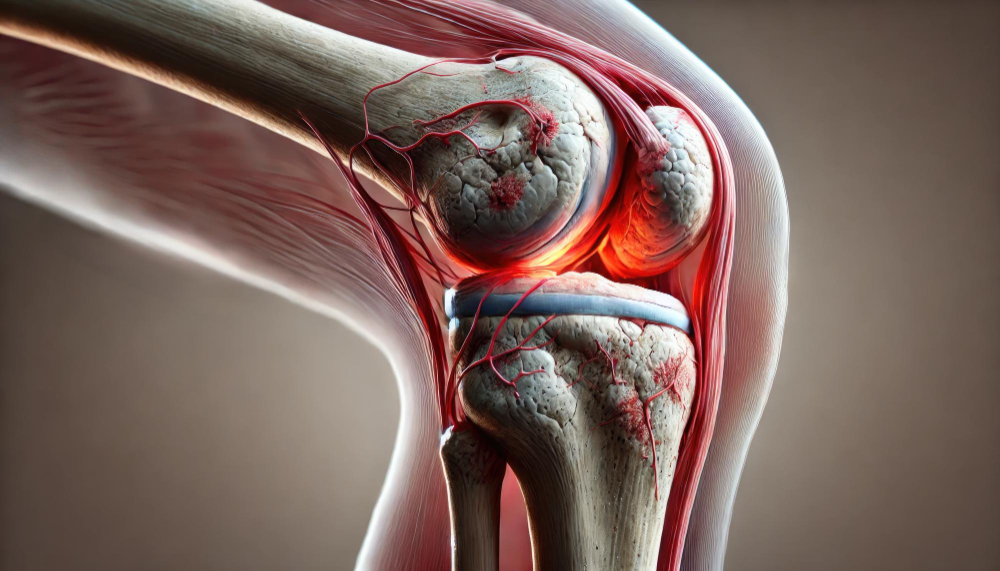
Introduction to Cartilage Transplantation
Cartilage transplantation is a medical procedure that helps repair damaged cartilage in joints. Cartilage is the smooth tissue covering the ends of bones. It allows joints to move easily. However, when cartilage is damaged, it can cause pain and limit movement. For many people, cartilage transplantation offers hope for better joint health. Even if you feel healthy, learning about this treatment is important. After all, early care can prevent bigger problems later.
Importance of Early Detection for Cartilage Issues
Early detection of cartilage damage is key to keeping your joints healthy. Often, cartilage problems start small. But over time, they can get worse and cause lasting harm. If you catch these issues early, you have more treatment choices. In fact, early care can stop pain and prevent joint problems from getting worse. According to the CDC, early treatment leads to better outcomes for joint health.
How Regular Health Check-Ups Help Identify Cartilage Problems
Regular joint health check-ups are important, even if you feel fine. During these visits, doctors can spot signs of cartilage damage before you notice symptoms. For example, they may find swelling or changes in how your joint moves. Because of this, regular orthopedic health screening helps catch problems early. This means you can start treatment sooner and protect your joints.
Symptoms and Risk Factors That May Go Unnoticed
Sometimes, cartilage damage does not cause pain right away. Yet, there are signs and risks you should know about. For instance, you might feel:
Additionally, certain risk factors can increase your chances of cartilage damage, such as:
Because these signs can be mild, regular check-ups are vital for early detection of cartilage damage.
Diagnosis: What to Expect During an Orthopedic Check-Up
During an orthopedic health screening, your doctor will ask about your symptoms and medical history. Next, they will examine your joints for swelling, pain, or limited movement. Sometimes, they may order tests such as:
Because these tests are simple and safe, they help your doctor find problems early. This way, you can get the right care quickly.
Treatment Options, Focusing on Cartilage Transplantation
If you have cartilage damage, your doctor will discuss treatment options. For mild cases, rest, physical therapy, or medicine may help. However, for more serious damage, cartilage transplantation may be needed. In this procedure, healthy cartilage is placed in the damaged area. This helps restore smooth movement and reduce pain. Many people recover well after cartilage transplantation. In some cities, you can find advanced care for cartilage transplantation in your area.
Benefits of Timely Intervention
Timely treatment of cartilage problems offers many benefits. For example, you can:
Because early care protects your joints, it can help you stay active and healthy for years to come.
Lifestyle and Prevention Tips for Joint Health
Even if you feel healthy, taking care of your joints is important. Here are some tips to keep your cartilage strong:
Additionally, regular joint health check-ups can help catch problems early. This way, you can take action before damage gets worse.
Conclusion: Consult an Orthopedic Specialist for Personalized Advice
In summary, cartilage transplantation can restore joint health and improve your quality of life. However, early detection of cartilage damage is key. Regular orthopedic health screening helps find problems before they become serious. Even if you feel healthy, do not skip your check-ups. Consult an orthopedic specialist Dr. Vamshi Kiran for personalized advice and keep your joints strong for the future.