
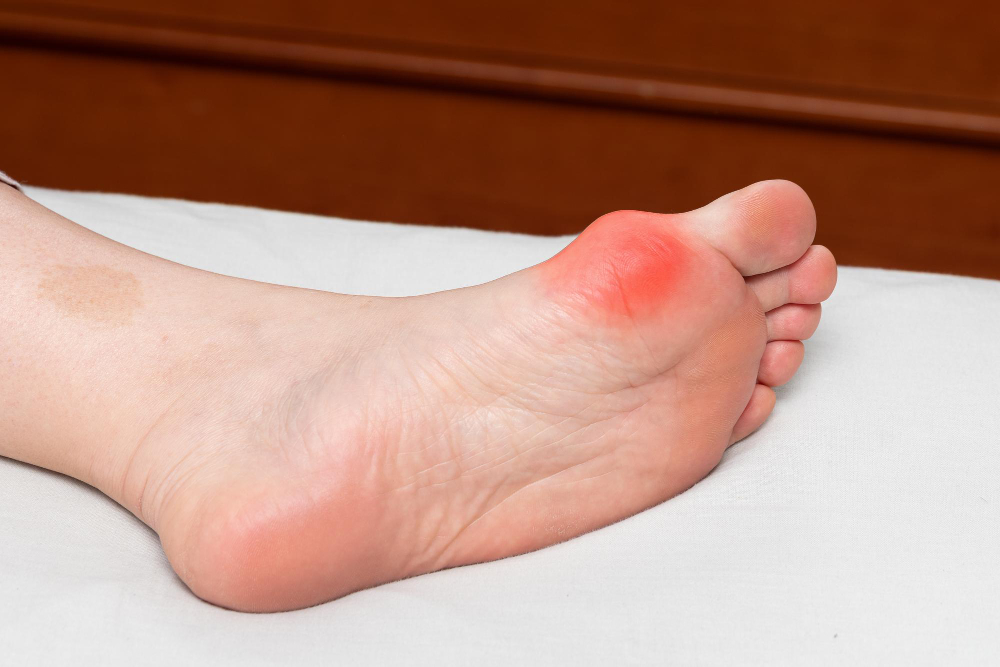
Many people notice a painful bump on their big toe. This bump is often called a bunion. Relieving pain from the bump on your big toe is important for comfort and daily movement. In fact, bunions are common, especially in adults. They can make walking or wearing shoes difficult. Because pain can get worse over time, it is helpful to know what causes the bump and how to find relief. This guide will explain causes, symptoms, diagnosis, and the best ways to ease pain from a big toe bump.
What Causes the Bump on Your Big Toe?
Usually, the bump on your big toe is a bunion. A bunion forms when the big toe points toward the other toes. As a result, the bone at the base of the toe sticks out. Several factors can lead to this problem. Understanding the causes can help you prevent or manage pain.
According to the American Academy of Orthopaedic Surgeons, bunions affect about one in three adults. Therefore, knowing the causes can help you make better choices for your feet.
Recognizing Symptoms
It is important to notice symptoms early. This way, you can seek help before the pain gets worse. Common symptoms of a big toe bump include:
Sometimes, the pain can become severe. If you notice sudden swelling, warmth, or trouble walking, you should see a doctor. Early care can prevent more problems.
Diagnosis
Doctors use a few simple steps to diagnose the bump on your big toe. First, they will ask about your symptoms and medical history. Next, they will examine your foot. Often, doctors will check how your toe moves and look for redness or swelling. In many cases, an X-ray is needed. This helps the doctor see the bones and joint alignment. According to the Mayo Clinic, X-rays can show how severe the bunion is. With this information, your doctor can suggest the best treatment for you.
Effective Pain Relief Options
There are many ways to relieve pain from the bump on your big toe. Some treatments can be done at home, while others may need a doctor’s help. Here are some effective options:
The American Orthopaedic Foot & Ankle Society recommends trying non-surgical treatments first. However, if pain limits your daily life, talk to your doctor about surgery.
Lifestyle and Prevention Tips
Making small changes can help prevent pain or stop the bump from getting worse. Consider these tips:
By following these steps, you can protect your feet and lower your risk of pain from a big toe bump.
Consult an orthopedic specialist at Sunshine for personalized advice on relieving pain from the bump on your big toe.